




Negotiating committees
The role of negotiation committees is to represent the company in the negotiation of collective agreements
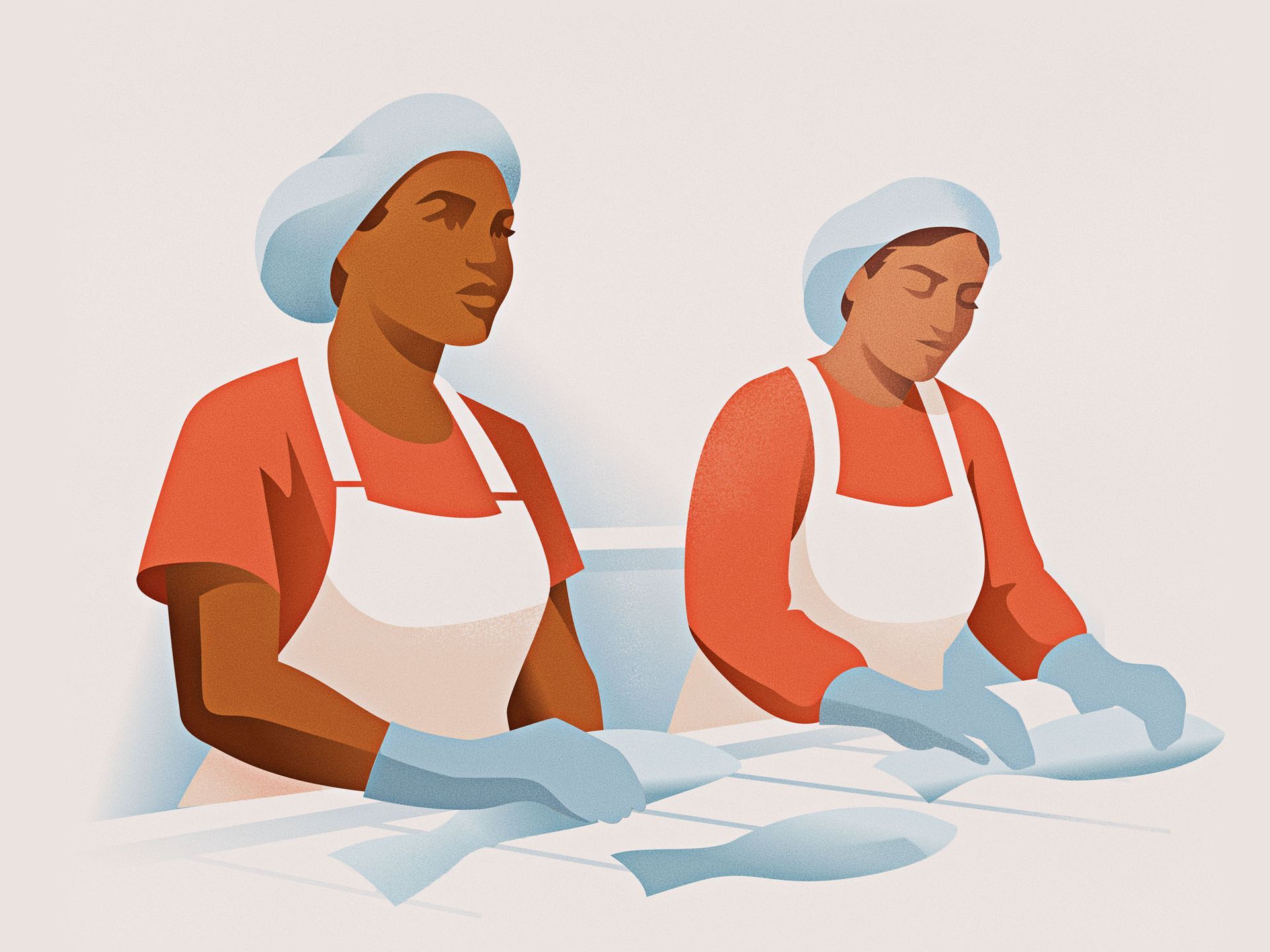
Efling’s negotiating committees are composed of union members and play a key role in leading the union’s collective bargaining. Members are invited to join the committees when collective agreements are due to expire, and they operate until new agreements are reached. The Chair of Efling serves as the Chair of the negotiating committees. Efling places emphasis on having large negotiating committees and on ensuring that their work is open and transparent to members.
The role of the bargaining committees is to represent the union in wage negotiations and have broad authority. Committees sit at bargaining meetings with employers but also hold their own meetings which the chairman calls and chairs. Serving on committees involves considerable work but committee members may have the right to attend meetings without loss of wages from the employer. It discusses the role of bargaining committees in laws Efling and laws on trade unions and labor disputes.