




The trade union movement has over the years placed great emphasis on housing security for workers and has been an active participant in the development and discussion of housing issues. The organization owns the housing self-ownership organization Bjarg Íbðafélag for members of its member organizations. Bjarg is the backbone of the public housing system and has built over 1,000 apartments for low-income workers since 2016. ASÍ and BSRB are holding an open meeting on the public housing system and the responsibility of municipalities in housing development in the run-up to the local elections. The meeting will take place on Tuesday, April 28, at 9:00 – 10:30 in Edda and in Stråm. The meeting will include the organization's new analysis of social housing and the development of the public housing system. Among the things it states is that at the turn of the last century, there were about 7,000 apartments in the workers' housing system, or about 7% of the apartments in the country. The workers' housing system was abolished around the turn of the century and the marketization of housing security for low-wage workers took over. Since the public housing system was established 10 years ago, 1,100 apartments have been built for low-wage workers, which corresponds to less than 0.7% of the apartments in the country. Social solutions in housing issues for working people have therefore given up significantly and it is safe to say that the government has completely failed. Increasing the number of public apartments for working people is therefore one of the most urgent tasks of those who will be elected to local governments on May 16th. Where should low-wage workers live? The responsibility of municipalities in housing development Open meeting of ASÍ and BSRB in the run-up to the local government elections Tuesday, April 28th at 9:00-10:30 in Edda, Arnfinnsgata 5 Morning refreshments will be served from 8.30 The meeting will be streamed here Program: 8:30 The house opens 9:00 Opening address - Finnbjörn A Hermannsson, President of ASÍ 9:05 History and genesis of the public housing system and Bjarg Housing Association - Video 9:10 Presentation of a new analysis of social housing and the public housing system Róbert Farestveit, economist, ASÍ and Jana Víglundsdóttir, economist, BSRB 9:30 History of residents in Bjarg - Video 9:35 Government housing policy and the role of municipalities Anna Guðmunda Ingvarsdóttir, Deputy Director of HMS 9:50 History of residents in Bjarg - Video 9:55 Panel discussion Dagur B Eggertsson, Chairman of the Government's Action Group on Housing Jón Björn Hákonarson, Chairman of the Association of Icelandic Local Authorities Sonja Ýr Þorbergsdóttir, Chairman of BSRB Sólveig Anna Jónsdóttir, Chairman Efling and Board Member of Bjarg Björn Traustason, Managing Director of Bjargður Þíðfáfélag 10:30 Closing of the meeting The chairperson is Brynja Þorgeirsdóttir For further information, please contact: Henný Hinz, Deputy Managing Director of ASÍ, tel. 663-9026 and Sigríður Ingibjörg Ingadóttir, Managing Director of BSRB, tel. 895-0272
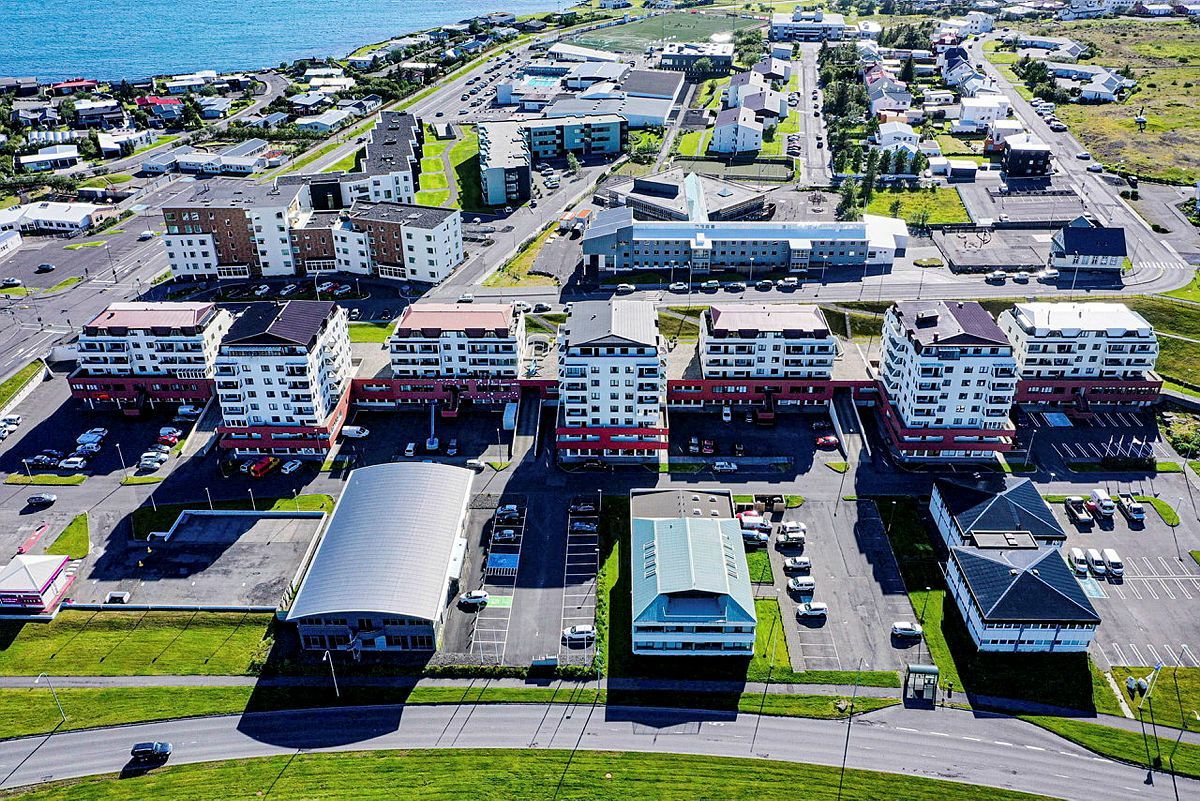
The Tenants' Association is hosting a panel discussion on housing issues on May 2nd, in the Gróska lecture hall, from 3:00 PM to 5:00 PM. The leading figures from the Reykjavík candidates are invited to the panel to answer questions about the candidates' policies on this important issue before the city council elections on May 16th. The event is open to the public. Ragnar Þór Ingólfsson, Minister of Housing, will give an opening speech and review how cooperation between the state and municipalities has previously solved housing crises. The interviewers will be Guðmundur Hrafn Arngrímsson and Sigurður Stefánsson. The event is expected to last about two hours and will be recorded and streamed on Vís.

The Efling union office will close earlier than usual today, Wednesday, April 22, due to a staff meeting. The office will close at 2:00 PM today. Messages can be send by email and will be answered at the first opportunity. It is worth reminding you that the Efling office will be closed tomorrow, April 23, the first day of summer. It will reopen at regular opening hours, at 9:00 AM, on Friday morning.