




Placeholder for the subtitle of your entry
Placeholder for the entry content. This is where the content of your blog post goes. To add tags and customize text and images for individual entries, go to Manage entries. From there you can edit the current entry or add a new one.
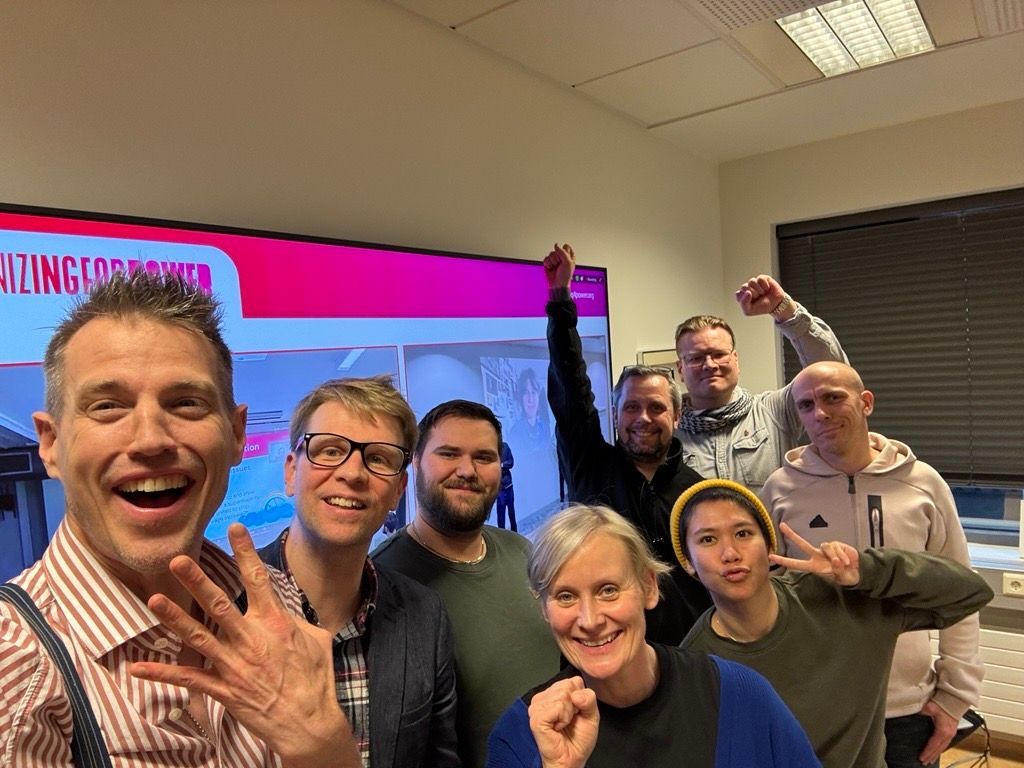
Recently, a group of union members in the Efling trade union participated in an international course where the fundamentals of the workers' struggle were discussed. The course, which was digital, was attended by about nine thousand participants from roughly one hundred organizations from many parts of the world, and they united in the fight for workers' rights.
The course, titled Organizing for Power: The Core Fundamentals, was specifically designed to provide participants with a deep understanding of the impact of collective power and how it can be utilized and strengthened to achieve real and significant victories in the labor movement. The course was developed based on the theories and experience of Jane McAlevy and colleagues regarding the organization of the labor movement, and the methodology has repeatedly proven itself with major wins for workers when applied.
In the course, we went through important theories about organization, management and how labor struggle can be effective in improving living standards and rights. The course was also a great opportunity to meet colleagues from all over the world, share experiences and get new ideas that can strengthen the work Efling.
By emphasizing and raising awareness of shared interests, empowermentefling and effective organization, participants learned how they can apply themselves to ensure greater victories in the workers' life struggle.
Importance of personal communication
Thorir Johannesson, deputy chairman Efling, was one of the participants and was very pleased with the knowledge he gained there, including receiving tools to engage members in face-to-face conversations. „It is natural for a member to stand guard and fight for his/her rights and benefits,“ says Thorir about what he takes away from the course.
Stella Suparman, félagi í Efling, sótti einnig námskeiðið og segir hafa lært afar margt, þá ekki síst mikilvægi þess að nálgast fólk. „Ég held að persónuleg tengsl og sterkur vilji séu lykilatriði þegar við erum að skipuleggja. Ég man sérstaklega eftir hlutanum þegar þau töluðu um spítala í Hollandi – þar voru aðeins tveir í stéttarfélaginu, en þeir þurftu að skipuleggja fundi til að ná til 90% af heildarstarfsfólki sjúkrahússins til að undirbúa verkfall eftir fimm vikur!
Það hljómar virkilega krefjandi, þar sem þeir náðu aðeins til 45% starfsmanna í fyrstu undirskriftasöfnuninni, en góðu fréttirnar eru að þessum trúnaðarmönnum tókst að virkja samstarfsfólk sitt og að fá meirihluta starfsmanna í aðgerðir. Með því að kortleggja tengslanet innan hverrar deildar og halda utan um skipulagningu á áhrifaríkan hátt tókst þeim að fá fólk með sér.“
Hlynur Gauti Ómarsson, trúnaðarmaður og meðlimur trúnaðarráðs Efling, segir að hann hafi gerst trúnaðarmaður af þeirri ástæðu einni að hann hafi viljað tryggja að vinnufélagar sínir vissu fyrir hverju væri barist, af hverju mögulega stæði til að þau færu í verkfall. „Þetta námskeið sýndi mér, sem trúnaðarmanni á mínum vinnustað, af hverju við, sem Efling, þurfum að beita verkföllum sem vopni. Við, sem sátum námskeiðið, lærðum hvenær, og hvaða verkfærum við getum beitt áður en kemur að verkfalli, en þegar til þess kemur er eitt víst: VIÐ ERUM TILBÚIN.“