


27 February 2026

“Clear message that wage theft is a crime”

Date

27 February 2026

share

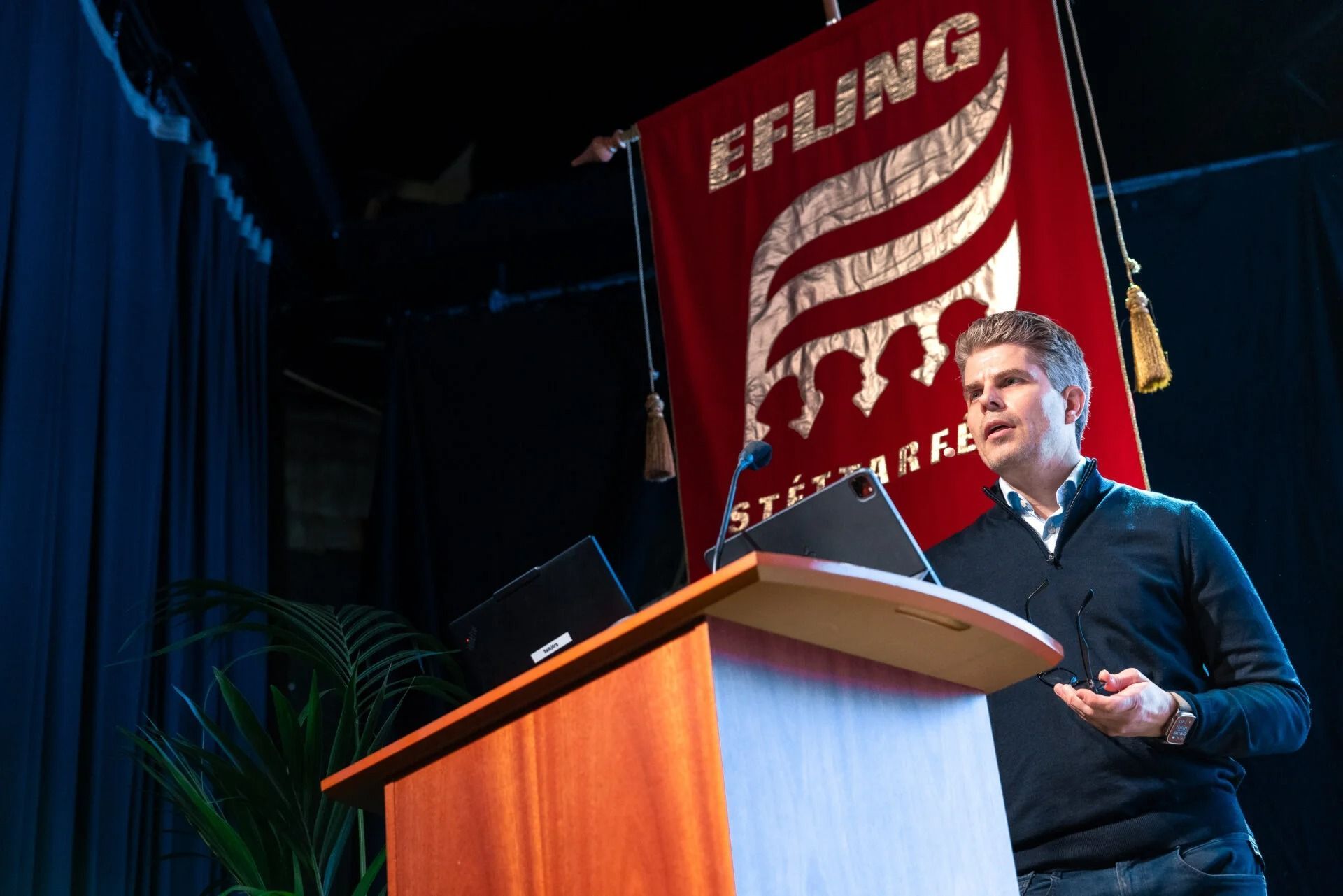
„We are sending clear messages that wage theft is a crime, and not just a breach of rules.“ This was stated in a speech by Lars Christian Fjeldstad at the Efling meeting today. Such messages are at the core of Norwegian legislation where wage theft is defined as a punishable economic crime and can carry up to six years of imprisonment. Fjeldstad, who is a lawyer of the Norwegian Confederation of Trade Unions LO, went in his speech in detail over the experience of the Norwegians with the legislation.


In his article, Fjeldstad traced how Norway became the first European country to introduce special punitive provisions against wage theft, after a bill on the matter was passed in 2021 and came into effect at the beginning of 2022. He pointed out that the initiative could be traced back to a proposal from the Fagforbundet, Norway's largest trade union, which enjoyed the support of both the LO and the Norwegian Workers' Union.


Up to six years imprisonment for wage theft

Fjeldstad explained that according to the law, employers who knowingly withhold wages, vacation or other payments can be sentenced to up to two years in prison, and up to six years if the violations are serious.


"The laws, among other things, aim to prevent those who indulge in wage theft from gaining a competitive advantage, and also to protect workers who are often in a vulnerable position," Fjeldstad said.


He pointed out that the provision covers both statutory and contractual rights, including overtime, vacation and other payments.


Key point intention

In the article Fjeldstad emphasized that the laws are aimed at deliberate violations. "We are not punishing honest mistakes," he said, explaining that genuine misunderstanding or disagreement over interpretation of the rules generally falls outside the realm of punishment.


"But when an employer knows that he is committing wage theft, to profit, then it is a punishable conduct," he added.


Fjeldstad reviewed several examples from Norwegian courts. Among them he mentioned a case where an employer was convicted of having underpaid an employee wages amounting to millions of krona, as well as the infamous Fibertec case where the CEO received a custodial sentence for large-scale wage theft.


It then drew special attention to a recent appellate judgment from January 2026, where systematic underpayment to 13 employees was considered a continuous crime. “The court rejected that financial difficulties could justify such conduct,” said Fjeldstad.


A hard stance in Iceland prevents legislation

In the discussion after the lecture, Solveig Anna Jónsdóttir, chair of Efling, pointed out that the amounts Fjeldstad mentioned would not be dissimilar to those that Efling sees in its cases here in the country. However, the difference lies in the fact that sanctions in Iceland would be much weaker.


Fjeldstad also said that in Norway a broad consensus had emerged about the necessity of such legislation and that it had not faced significant political opposition. Solveig Anna described it as analogous to the situation in Iceland, where harsh opposition had been met with attempts to enact comparable laws.


She said she considered it incomprehensible in light of the fact that she was certain that support for such legislation would be very high among the public. “Pressure from wage payers on politicians is such that it almost resembles organized criminal activity,” said Solveig Anna.


Necessary to enact comparable laws in Iceland

Wage theft has been a topic of discussion in the Icelandic labour market, not least in connection with the status of foreign workers and underbidding in certain sectors.


From Fjeldstad's lecture and the ensuing discussion, one can conclude that clear and non‑deductible legislation, where wage theft is defined as a punishable economic crime, would be an effective way to protect workers' rights and promote healthier competition.


It is clear that such legislation is necessary in Iceland, as it would strengthen the position of workers and set clear limits so that wage theft will not be tolerated. Efling calls on the authorities to act now and follow the example of our neighbors in Norway.

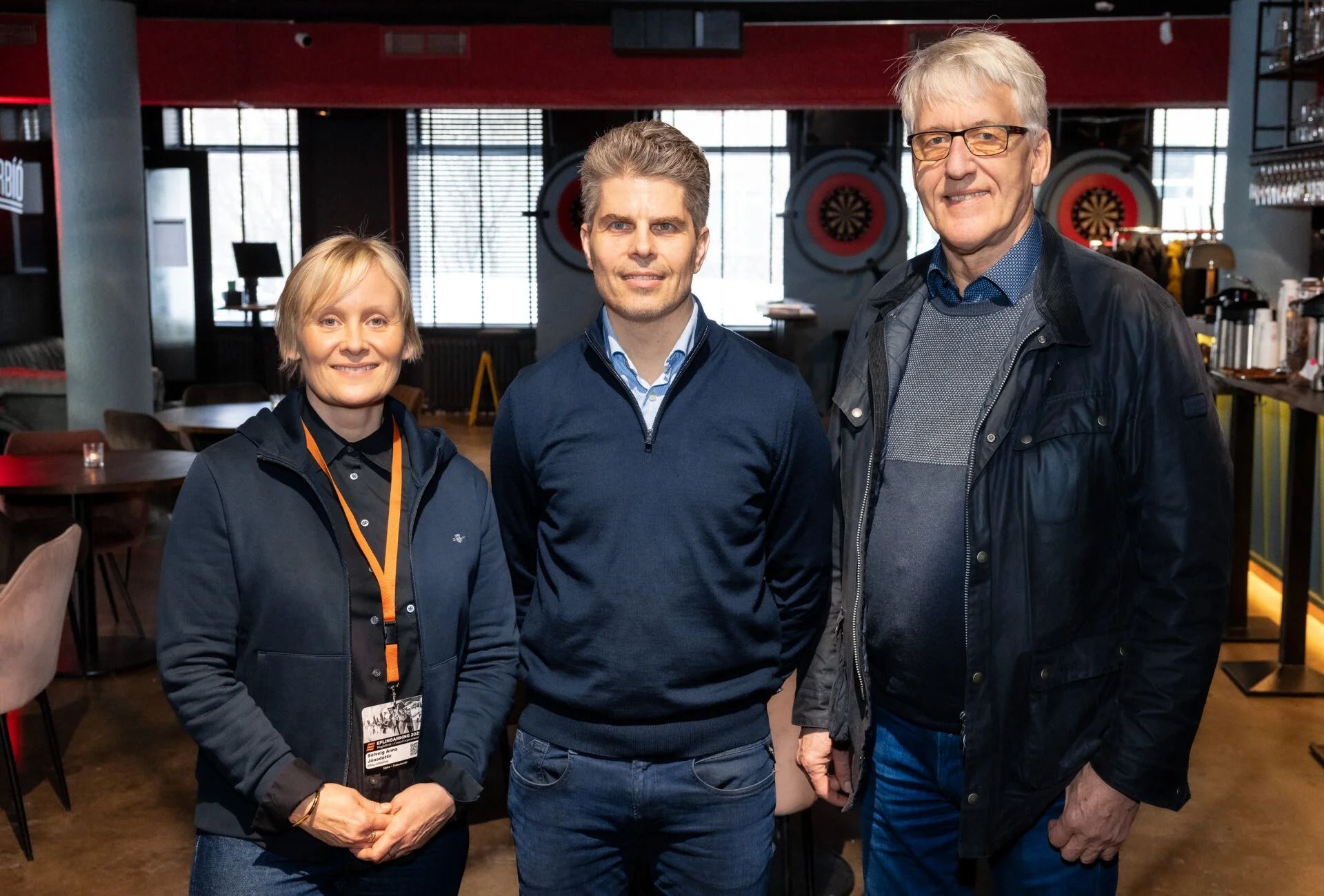
Sólveig Anna Jónsdóttir, chairperson Efling, Lars Christian Fjeldstad, logistics specialist LO, and Finnbjörn Hermannsson, president of ASÍ.

By Freyr Efling 19 June 2026
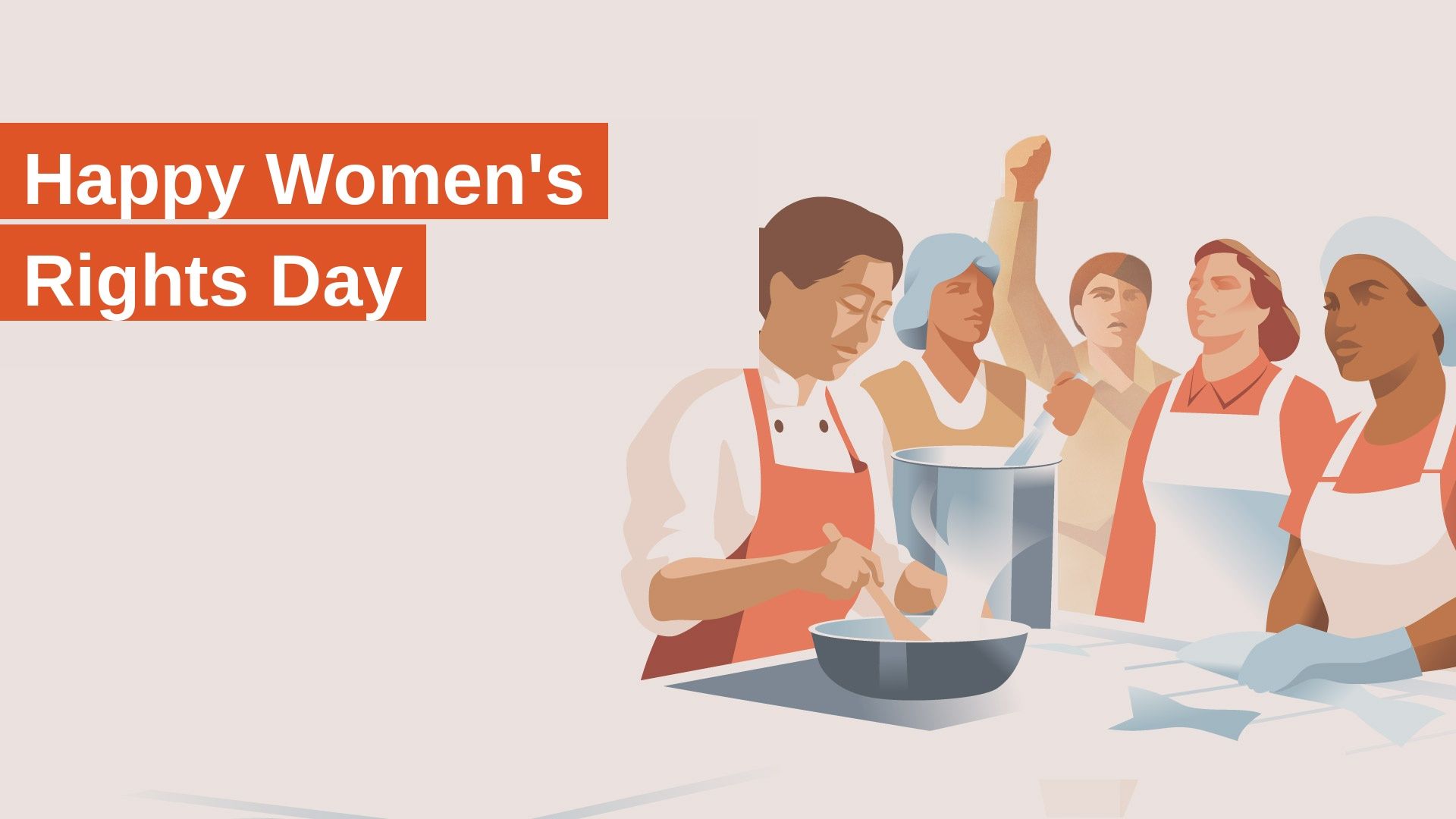
Efling Union extends its warmest congratulations to its women members and to all women in Iceland on Women's Rights Day. Today, 19 June, marks 111 years since Icelandic women aged 40 and over got the right to vote and stand for election to the Althingi, Iceland's Parliament. In 1920, with the adoption of a new Constitution, the voting age for women was lowered to 25. Women's Rights Day is a day of celebration, but above all, it is a day of struggle. True gender equality has yet to be achieved in the Icelandic labour market, and Efling's women members know this from first-hand experience. According to surveys conducted by Varða, the Labour Market Research Institute, Efling's women members face some of the most difficult conditions in the Icelandic labour market. A large proportion struggle to make ends meet, around half report poor mental health, and more than half are at risk of burnout. This is unacceptable. Efling's women members, along with working women across Iceland, keep society running. They are the driving force behind the economy, caring for children, older people, and those who are ill. They deserve respect, decent pay and working conditions, and recognition for the invaluable contribution they make. That is Efling's demand on Women's Rights Day, and every other day of the year. Happy Women's Rights Day.
By Freyr Efling 18. júní 2026
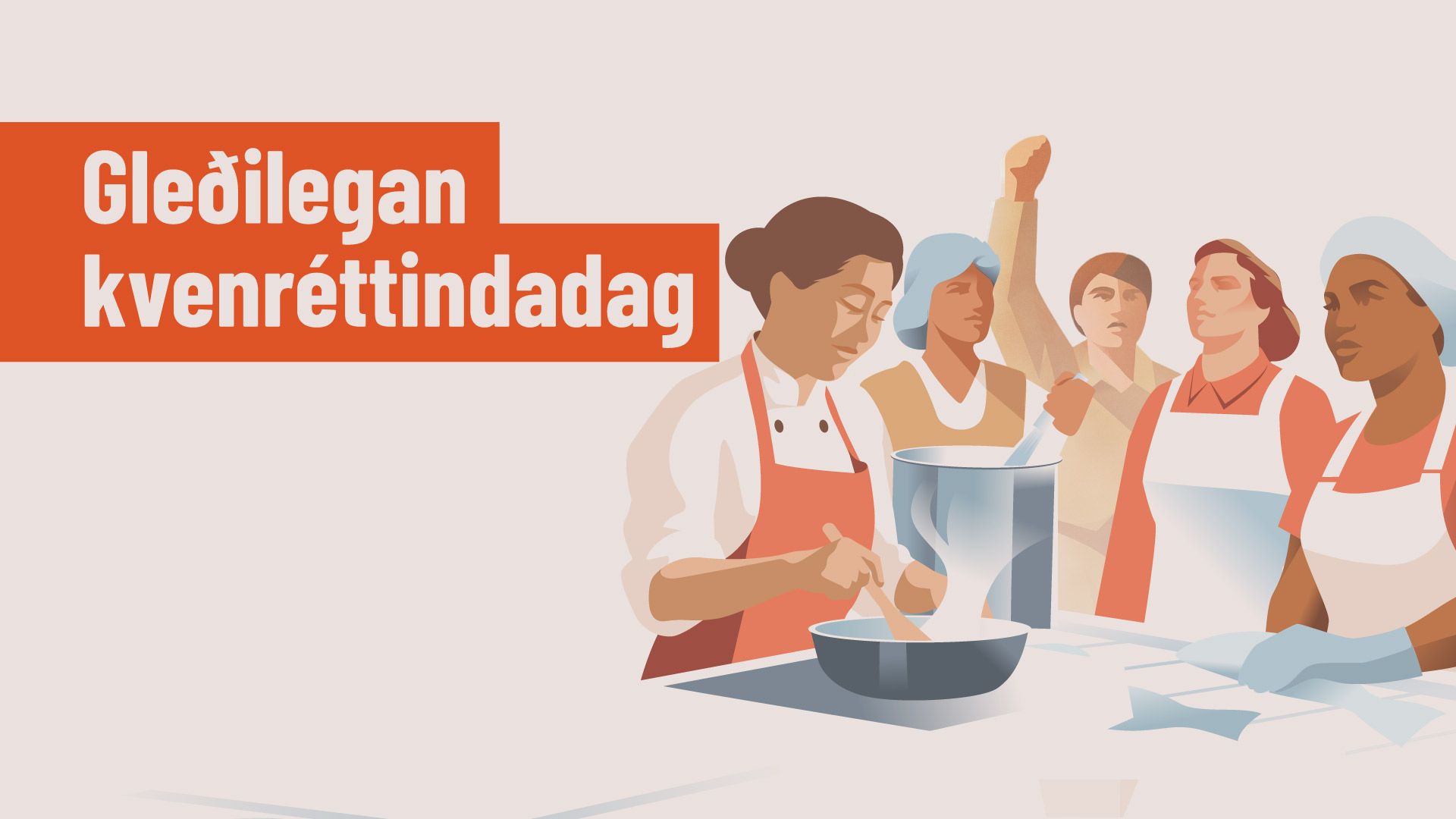
Efling union wishes its female members and all women in the country a happy Women's Rights Day. Today, June 19, 111 years have passed since Icelandic women, 40 years and older, gained the right to vote and run for the Althing. In 1920, with the adoption of a new constitution, the age limit was lowered to 25 years. Women's Rights Day is a holiday, but it is also a day of struggle. The situation is that gender equality in the Icelandic labour market is still far off. This is something Eflingkonur have tried on their own. According to the results of surveys by the Labour Market Research Institute, Eflingkonur are facing the most difficult situation in the Icelandic labour market. A large proportion of them have difficulty making ends meet, the mental health of about half of them is extinguished and more than half are heading towards burnout. This will not be solved by this. Eflingkonur, and other working women, keep Icelandic society running. They are the ones who keep the wheels of the economy turning, caring for children, the elderly and the sick. They deserve respect and humane conditions, and they deserve to be valued for their worth. This is the demand Efling on Women's Rights Day, as on all other days. Happy Women's Rights Day.
By Freyr Efling 17. júní 2026
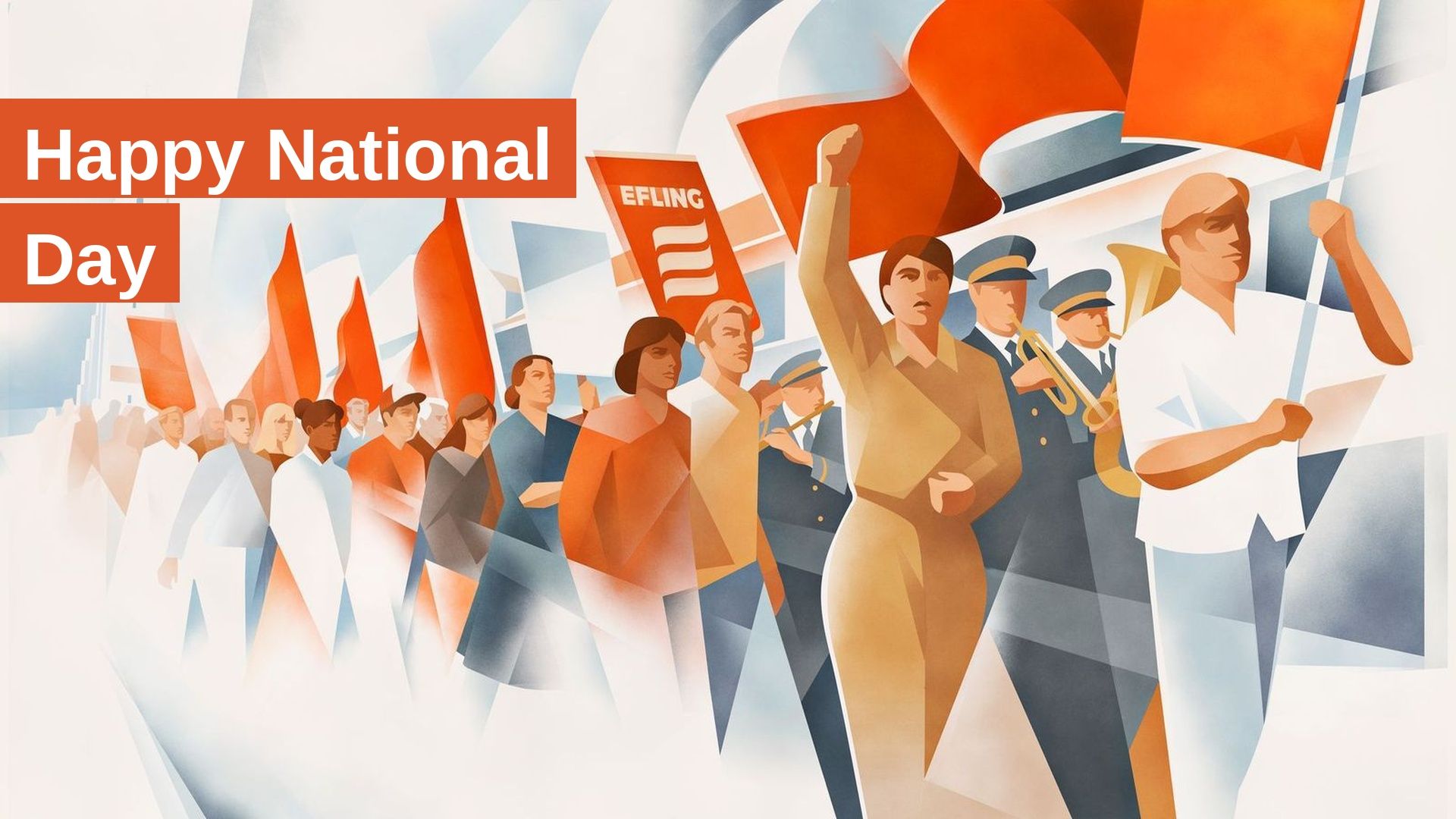
Efling Union wishes its members and everyone in Iceland a happy National Day on 17 June. Efling would like to remind members who are working today that 17 June is a public holiday classified as a major holiday under collective agreements, and work performed today must be paid at the applicable major holiday rate. Efling also encourages its Icelandic members to make their international colleagues aware of this entitlement. Our work creates the value!

Show more news